
Today we continue our discussion on additives in cognac. In our first post, we talked about the use of water and sugar in cognac production. Water is used to dilute the cognac down to the bottling proof that the producer is looking for. Sugar helps to round rough edges of younger eau-de-vie and add a textural quality to the finish. If you missed any of this information, you can click HERE to read the last article. But for now, let’s move forward with the other additives allowed in cognac production. It’s time to talk about the two most polarizing ones: caramel and boisé.
• • • • •
Caramel
No, this isn’t the sugary candy you enjoyed as a kid. While caramel is technically sugar heated and reduced, producers don’t use it to sweeten cognac. They use it to adjust color. This is the same type of caramel that soda companies like Coca-Cola, food manufacturers, pharmaceutical companies, and even beauty brands use. Caramel darkens the appearance of certain products. So why do some people see this as a negative?
When people look at a bottle of cognac—or any aged spirit—they often associate color with age. Light straw or yellow usually suggests a younger spirit, while dark brown or mahogany hints at an older one. Adding caramel coloring can complicate this perception. A young spirit with added caramel can appear much older, which could mislead consumers. That said, this scenario represents a worst-case situation. In practice, it’s not commonplace.
As we discussed in Part I, cognac regulations limit all additives to a maximum of 4% by volume, or about 16g per liter. This total includes sugar, caramel, and boisé combined—they cannot exceed 4% together. Since most producers use sugar to some degree, it’s safe to assume that very few, if any, use the full 4% for caramel alone. Even if a producer did, the result would be obvious: the color would look artificial, and the final spirit could pick up an off flavor. When used correctly, caramel adds color without affecting taste. But if a producer adds too much, you would likely notice a burnt sugar note. And, as you can imagine, that would not create a pleasant drinking experience.
Why do producers use caramel? The answer is simple: to maintain consistency. Just as sugar helps preserve texture from year to year, caramel ensures a uniform color. Barrels are made of wood, a natural material that varies with each tree—some are more mature, some have wider grains. These differences cause eau-de-vie to develop slightly different colors, even when barrels age the same length of time. No matter how precise the process, it’s nearly impossible for two barrels to produce identical cognac—or any spirit.
That’s why blending plays such an important role. Producers add small amounts of caramel to adjust the color so it meets consumer expectations. Some years, barrels might not darken the Cognac enough, requiring more caramel; other years, they need almost none. You can’t pin down an exact percentage—amounts change constantly, though most houses can provide an approximate average. Caramel matters most to the larger producers, but some smaller houses monitor it closely as well. If Hennessy VS didn’t look consistent each year, they would risk losing both revenue and loyal customers.
Boisé
Without a doubt, the most controversial additive in Cognac is boisé. It’s often discussed in hushed tones, and many producers quickly change the subject when it comes up. There isn’t much open information about it—you get the feeling it’s a bit of a dirty word. But what exactly is it? Boisé is, for lack of a better term, wood flavoring. Before you get defensive about adding “flavoring” to Cognac, know that boisé has been around far longer than anyone reading this post. It dates back to at least the mid-19th century, if not earlier.
Many cognac producers start aging their eau-de-vie in new barrels. After a certain period, usually less than a year, they transfer the spirit into older, more neutral barrels. New wood releases tannins—naturally occurring chemicals that bond with organic compounds and proteins in the spirit. Tannins create flavors ranging from vanilla and baking spices to dry, woody bitterness. They concentrate most heavily in the first 0–12 months of aging, so aging too long in new barrels can overpower the delicate balance of the eau-de-vie.
Contrary to some opinions, producers don’t use boisé to replace aging or to make a spirit seem older. Any reputable house would never try that. Cognac must age at least two years before it can bear the name, so boisé does not substitute for that minimum aging. Nor does it create a false impression of lengthy aging—only time can do that. Instead, producers use boisé to mimic the early stages of tannin extraction from new barrels. It acts as a flavoring agent that concentrates all those new oak characteristics.
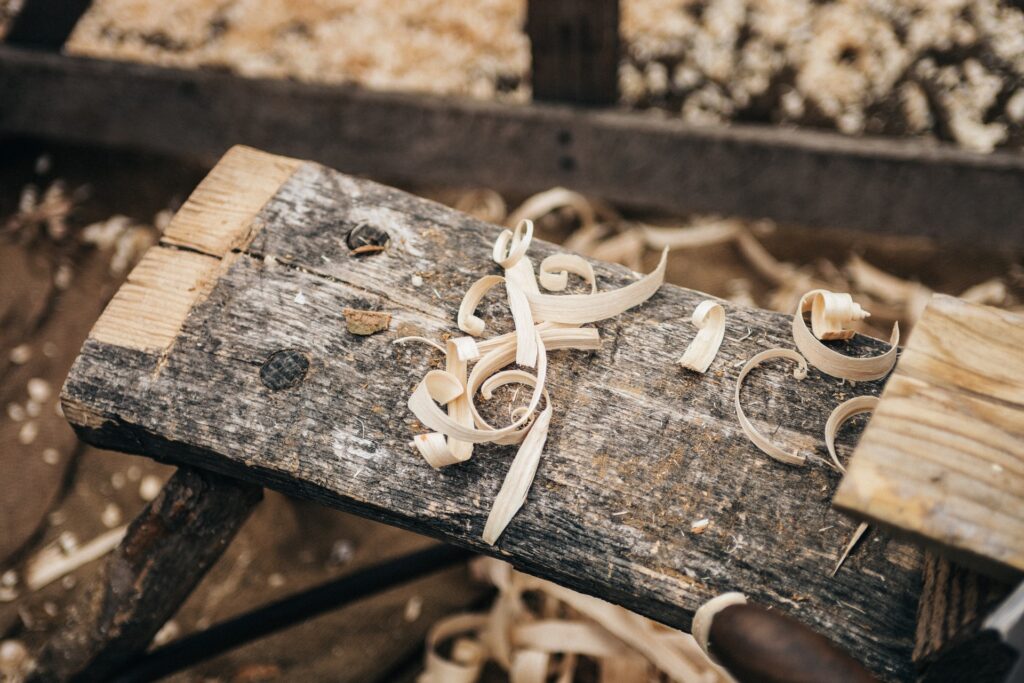
The production process is straightforward. The company producing boisé takes wood chips from a cooper and simmers them in hot—or near boiling—water. The heat extracts the flavors from the fresh oak, creating a thick liquid rich in fatty acids, sugars, and other organic compounds found in the wood. These are the same flavors that transfer to eau-de-vie in a new barrel, but in a much stronger form. After cooling, producers fortify the liquid with spirit to prevent spoilage. Some even age the final boisé mixture in barrels before using it.
At least four companies in the Cognac region produce boisé. The smallest, Pecner, makes around 30,000 liters a year, according to Kyle Jarrard in Cognac: The Seductive Saga of the World’s Most Coveted Spirit. Once, many producers made their own boisé—it was a point of pride—but with industrialization, most now buy it. Still, some traditionalists likely continue to make their own in-house. But that raises the question: why use it at all?
The early stages of aging are critical for cognac. Think of it like painting a wall in your house. If you don’t put down a solid layer of primer paint first, when you throw up that main color it just won’t be as bright and vibrant. Those oaky flavors provide a great foundation for the resting eau-de-vie to develop into something wonderful. The problem is that barrels are expensive. Really expensive.
Right now, new French oak barrels cost around €800–1,000 ($950–$1,200). For smaller houses, buying new barrels every year can be financially out of reach. A poor harvest or bad weather can easily throw profits off balance. Aging exclusively in older barrels saves money, but those casks no longer have the bright, fresh wood character that new oak provides.
The larger houses face a different challenge. New barrels aren’t an issue for them, but blending hundreds of different eaux-de-vie at once certainly is. There are countless variables to manage. No matter how skilled the blender, each year’s eau-de-vie is unique—the wood interacts differently every time. Some years the blend might need just a touch more oak influence; other years, quite a bit more. It all depends on the harvest—and, to some extent, the wood itself.
There is absolutely a limit on how much boisé you can add before the cognac just becomes flabby and over oaked. It’s important to use sparingly, if you so choose to include it at all.
Additive Free Producers
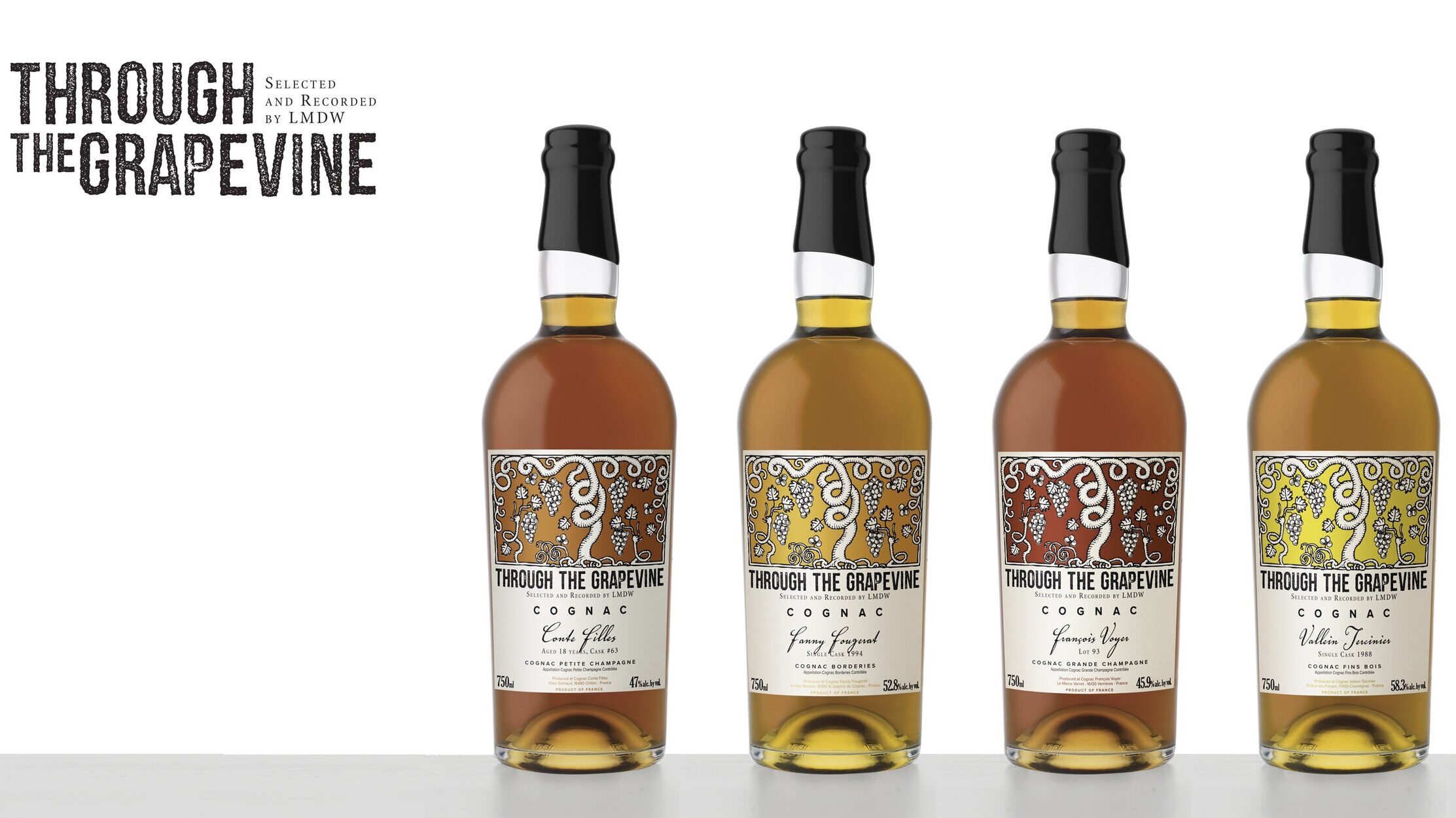
It’s worth noting that a handful of brands use no additives whatsoever—aside from water, of course. These producers are absolutely worth seeking out, as they craft delicious cognacs with their own distinctive styles. Dudognon, Navarre, Delamain, and the newer expressions from Jean-Luc Pasquet are great examples of additive-free houses to explore. Their cognacs aren’t better or worse than those with additives—they simply offer a glimpse into a purer representation of the spirit, each showcasing its own unique style and personality.
Final Thoughts
We’ll end on a quote from Kyle Jarrard’s book. He writes a fascinating few pages about the additive manufacturer, Pecner. One of the brothers who owns the company had this to say about the use of obscuration in cognac production:
Additives can’t be used to ‘repair’ a Cognac. If it is no good because it came from a bad wine or was poorly distilled, then no amount of sugar or other additive can undo the damage.
(Jarrard, 2005, p. 203)
There is a lot of negativity towards additives. Some justifiable, some not so much. But at the end of it all, the opinion here is that the addition of sugar, caramel, or even boisé shouldn’t be what we focus on when it comes to the final product. It should be the experience it creates for you on a personal level. The extra ingredients that might be added to your bottle of cognac are most likely there to help it become the best it possibly can be.
The Master Blenders, with their decades of knowledge passed down from multiple generations, aren’t putting these things in to blends to cut corners or be disrespectful to the spirit. They are traditional elements to this industry and are seen by many as an art form. Additives are not inherently bad. Not using additives doesn’t automatically make you better. What it comes down to is your personal taste preference. With or without, both can be incredibly delicious.
I DISAGREE. ADDITIVES ARE BAD. 100% NATURAL IS BETTER. FAR SUPERIOR.
FOR ME AND MANY OTHERS, WE WILL NOT CONSUME (AND THEREFORE WILL NOT PURCHASE) ANY SPIRITS WITH CARAMEL COLORING. WE HAVE DONE THE RESEARCH, AND WE KNOW HOW IT IS MADE, AND THAT IT IS, IN FACT, UNHEALTHY. THE “GENTLEMAN’S AGREEMENT” YOU REFER TO IS INSIDIOUS. A CERTAIN AMOUNT OF THE E-150 IS CONSIDERED HARMFUL, AND THAT IS WHY THERE ARE LIMITS PLACED ON THE AMOUNTS USED. DO THE RESEARCH, PEOPLE, AND PAY NO MIND TO THIS DIATRIBE.
ALL KUDOS TO THE “CLEAN” COMPANIES WITHOUT POLLUTANTS.
AS WITH GERMAN BREWERIES, WHO HOLD TO THE GERMAN PURITY LAWS OF THE BREWING PROCESS, NOT POLLUTING THEIR PRODUCTS WITH THINGS LIKE PROPYLENE GLYCOL, AS MOST BREWERS NOW DO.
CHEERS TO THE CLEAN COMPANIES! TO YOUR HEALTH !!
Caramel food coloring as used in the production of soft drinks, as you point out, is not the caramel that is used in candy. It is a poison that induces allergies, inflammation, migraines and other nasty side effects. Perhaps that is why it is such a hot topic in the alcohol industry as well. Sincere thanks for this information. I react to caramel and was drinking some Remy VSOP, and getting that feeling of tightness in my throat. I will seek out the additive free brands you mention. Thanks again!
Mary, I am very allergic to corn. After drinking one small serving of ‘very special’ aged 2 years I had a swollen face and breathing difficulties during the night. Unfortunately, I can’t find a resource that stated the sugar or Carmel are ever derived from corn.
Thanks for the laymans guide to all of this. As I turn 70 I intend to treat myself to some very moderately priced Cognac and this will help out.
Brian,
Thanks for reading the article. I’m glad I could help you out. Enjoy your Cognac and feel free to share what you end up buying!